
What should I tell the dentist about my child's thumb sucking or dummy use?
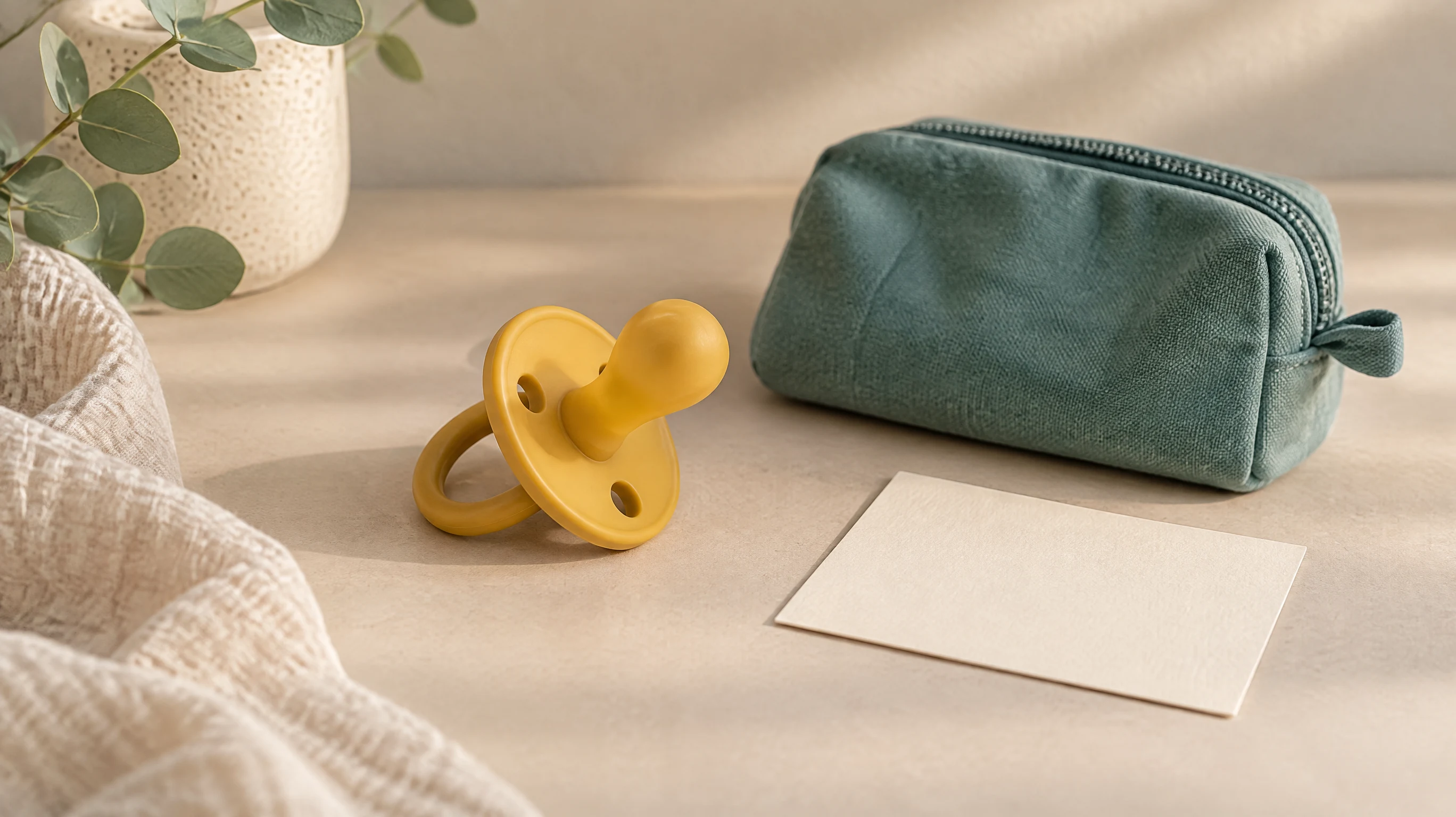
Tell the dentist whether your child sucks their thumb, fingers or a dummy, including habits that only happen at bedtime. You do not need to diagnose a bite problem first. The Australian Dental Association includes these questions in a child's dental history because the habits can affect their teeth and mouth as they develop. See the ADA's explanation of history-taking.
At Glo Dental, you can raise this during an infant or children's dental visit at Cockburn Central or Beeliar. This guide focuses on the conversation: what to mention, what to ask and why an individual assessment matters.
What should I mention about the habit?
Start with what you have noticed: thumb sucking, finger sucking, dummy use or a combination. The ADA lists these behaviours alongside questions about your child's general health, development, diet and tooth-cleaning routine. A short description is enough to start the discussion; you do not need a technical name for it. Read the ADA's first-visit guidance.
You might ask, “My child uses a dummy at bedtime. What would you like to know about it?” If you are unsure what is relevant, ask the dentist which details they need. These are examples of questions, not patient stories or a test of whether your child needs treatment.
Why does the dentist ask about thumb sucking?
The ADA explains that thumb, finger and dummy sucking can affect the health of children's teeth and the development of their mouth. Victoria's Better Health Channel adds that a long-term sucking habit can change the teeth and jaws. That does not tell us whether your own child has a problem: the dentist needs to check their mouth and teeth. ADA: history and mouth checks; Better Health Channel: thumb sucking.
Rather than trying to judge their bite at home, ask, “What do you see when you check my child's teeth?” and “Is there anything we should watch for as they grow?” The ADA describes explaining the findings and discussing home care as part of a first visit.
What if we have already tried to stop?
Tell the dentist what you have tried and what has been difficult. Better Health Channel recommends support and encouragement, notes that children can return to the habit and advises patience rather than nagging. Its suggestions depend on the child's age and ability; there is not one approach for every family. Read the Victorian guidance on helping children stop.
A useful question is, “What approach would suit my child?” This article does not recommend a product or appliance, set a deadline for every child or promise that a change will resolve itself. Ask your child's dentist for advice about their own circumstances.
Is this separate from preparing for a first visit?
Yes. Thumb sucking and dummy use are details to discuss with the dentist; preparing your child for the appointment is a different question. Our guide to preparing for a child's first dental visit covers explaining the visit and practising at home.
The history is only one part of the appointment. The ADA explains that the dentist also checks the mouth and teeth, discusses what they see and shares home-care advice. You can ask about the habit even if you also have questions about brushing or other parts of your child's dental care. See what a first visit can involve.
How can I bring it up at Glo Dental?
When you arrange your child's appointment, let the team know you would like to discuss thumb sucking or dummy use. Our children's dental care page covers visits at Cockburn Central and Beeliar. You can also meet Rhea Nihalani, Glo Dental's founder and dentist.
Sources and scope
Sources checked on 14 November 2026. General information for parents and carers, not an individual diagnosis or treatment plan. Your child's dentist can advise on their own needs.
- Australian Dental Association — First dental visits: history-taking, mouth checks and discussions with the dentist.
- Better Health Channel, Victorian Government — Thumb sucking: long-term habits and supportive approaches.
- Glo Dental — Infants and children's dental care: practice locations and children's visits.
- Glo Dental — Rhea Nihalani's profile: author identity and role.